The Inside Track: Mein Fazit zum Manifest 2026 vom Stand, der Bühne und der Ausstellungsfläche
February 25, 2026
October 5, 2026
x min. Lesedauer
Ich verbrachte den größten Teil meines Fluges von Las Vegas zurück nach Großbritannien damit, darüber nachzudenken, was in jeder Hinsicht außergewöhnlich voll war drei Tage auf dem Manifest 2026 in Las Vegas. Zwischen Tve Co-Moderation der ION Visibility 4.0-Strecke Mit Vizion, den anschließenden Podiumsdiskussionen und den unzähligen Gesprächen auf der ganzen Etage der Venetian Expo gab es viel zu verdauen.
Jetzt, wo ich einen Moment Zeit hatte, um einen Schritt zurückzutreten, fällt mir eines deutlich auf: In der gesamten Branche hat sich der Ton stark verändert.
Natürlich würden Sie erwarten, dass die üblichen Gesprächsthemen und altmodischen Schlagworte angesichts der über 8.000 Führungskräfte aus den Bereichen Lieferkette und Logistik im Raum dominieren werden. Doch dieses Mal war das nicht der Fall. Sichtbarkeit ist zur Grundvoraussetzung geworden, und viele der Führungskräfte, mit denen ich gesprochen habe, sind deutlich darüber hinausgegangen.
Die Fragen, die ich hörte, waren deutlich schärfer und ergebnisorientierter: Wo reduzieren intelligente Informationen die betrieblichen Reibungen erheblich? Welche Investitionen in die Automatisierung haben messbare Auswirkungen? Wie beschleunigen Unternehmen, ohne neue Risiken einzugehen?
Die Themen verstärkten sich immer wieder — in Podiumsdiskussionen und informellen Gesprächen — und sie vermitteln ein klares Bild davon, in welche Richtung sich der Markt bewegt.
Zuerst: Tve vor Ort auf dem Manifest 2026
Bevor ich auf die umfassenderen Themen eintauche, die sich aus der Veranstaltung ergeben, beginne ich mit Tves Rolle in der Show. In diesem Jahr war Tive nicht nur anwesend, um die Sichtbarkeit der Marke zu erhöhen oder Leads zu sammeln. Bei seiner Teilnahme an der Veranstaltung hatte er eine klare Vorstellung davon, in welche Richtung sich die Branche entwickeln wird, ein sorgfältig kuratiertes Programm und eine aktive Rolle in einigen der wichtigsten Diskussionen, die die Zukunft der Lieferkette und Logistik prägen, mitgestaltet.
Gemeinsames Hosting von ION Visibility 4.0 mit Vizion
Tive und Vizion veranstalteten am ersten Tag gemeinsam den vierten jährlichen ION Workshop, bei dem es sich um wichtige Themen der heutigen Lieferkettenbranche handelte: agentische KI, Sichtbarkeit in Echtzeit, Zuverlässigkeit von Ground-Truth-Daten und die praktischen Herausforderungen bei der Umsetzung von Logistikdaten in operative Entscheidungen, was die Realität widerspiegelt, mit der sich viele Teams heute konfrontiert sehen. Im Laufe des Tages nahmen mehr als 1.600 Teilnehmer teil. Für mich signalisiert dieses Maß an Engagement etwas Wichtiges: Der Wunsch nach einem praktischen, umsetzungsorientierten Dialog ist real und wächst. Die Teilnehmer waren nicht auf der Suche nach Theorie. Sie wollten Frameworks, die sie operationalisieren konnten.
Das AI-Investmentpanel, das den Ton angibt
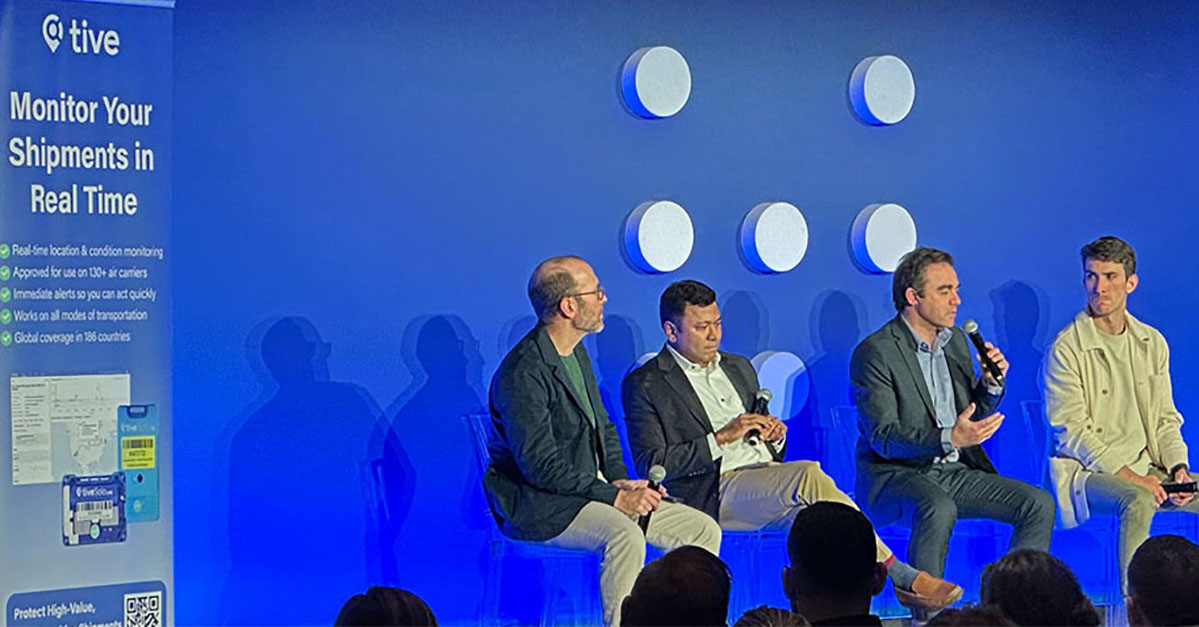
Eine Sitzung fiel schon früh auf und zog sich durch den Rest der Konferenz. Im Rahmen von „The AI Pivot: Where Supply Chain Leaders Are Actually Investing“ waren der CEO von Tive, Krenar Komoni, zusammen mit Mathew Elenjickal von FourKites und Pablo Palafox von HappyRobot sowie Moderator Eric Johnson von S&P Global zu sehen. Das Gespräch führte direkt zu den Fragen, mit denen sich viele Unternehmen derzeit auseinandersetzen: Wo sollten KI-Budgets priorisiert werden und wie sollte der Erfolg gemessen werden?
Als die Expo-Etage eröffnet wurde, intensivierten sich die Themen
Sobald die Türen der Ausstellungshalle im The Venetian geöffnet wurden, übertrugen sich dieselben Themen aus unseren Auftaktveranstaltungen direkt auf die Ausstellungsfläche. Die Diskussionspunkte der Podiumsdiskussionen waren keine Dinge, denen die Leute höflich zustimmten und dann prompt vergaßen. Sie wurden zu lebendigen, atmenden Gesprächen an Kabinen, in Fluren und an Kaffeeständen.
Das schwer fassbare Problem der Datenüberflutung
Keine einzige Führungskraft, mit der wir auf der Manifest 2026 gesprochen haben, nannte einen Mangel an Daten als Hauptanliegen. Ganz im Gegenteil. Die Teams sind von Warnmeldungen, Benachrichtigungen und Eventstreams überflutet, und die Herausforderung hat sich dahingehend verlagert, zu ermitteln, bei welchen dieser Signale Maßnahmen erforderlich sind.
Mit anderen Worten, die Erkennungstechnologien haben sich in den letzten Jahren deutlich verbessert, aber die Interpretation hat nicht Schritt gehalten.
Unternehmen, die die Nase vorn haben, versuchen nicht mehr, alles zu erfassen. Stattdessen werden sie immer disziplinierter, wenn es darum geht, aussagekräftige Signale von Hintergrundgeräuschen zu trennen.
Ohne Kontext jagen Teams Fehlalarmen hinterher
Diese Herausforderung der Datenüberflutung wird noch ausgeprägter, wenn Sie die physische Realität der Lieferketten berücksichtigen. Lkw leiten die Route um. Fahrer machen Umwege. Die Bedingungen am Boden ändern sich ständig.
Ohne ausreichenden Kontext erscheinen viele dieser völlig normalen Variationen als potenzielle Probleme, die wertvolle Teamzeit für unnötige Untersuchungen in Anspruch nehmen.
Die von Tve Intelligente Routenabweichungswarnungen tauchten in Gesprächen immer wieder auf, weil sie genau diese Lücke angehen. Durch die Erstellung dynamischer Erwartungen darüber, wie sich eine Sendung zwischen Abgangs- und Zielort bewegen sollte, hebt das System nur die Abweichungen hervor, die deutlich außerhalb des wahrscheinlichen Verhaltens liegen.
Die routinemäßige Variabilität wird herausgefiltert. Die Aufmerksamkeit Ihres Teams wird dort gelenkt, wo sie am wichtigsten ist.
Automatisierung ist nur so stark wie ihre Inputs
Das kontextuelle Gespräch führte natürlich zu einem umfassenderen Thema über Automatisierung — einem, das immer wieder zur Sprache kam.
Du kannst am meisten bauen elegante KI-Workflows und Orchestrierungsebenen sind vorstellbar, aber wenn die Signale, die sie versorgen, inkonsistent oder mehrdeutig sind, bröckelt das Ganze.
Schlechte Datenqualität führt nicht einfach zu schwachen Ergebnissen. Noch wichtiger ist, dass sie das Vertrauen der Organisation untergräbt und letztlich genau die Entscheidungen verlangsamt, die durch die Automatisierung beschleunigt werden sollen.
Die Sichtbarkeit wurde stillschweigend neu definiert
Zusammengenommen deuten diese Themen auf eine grundlegende Entwicklung der Erwartungen an Sichtbarkeit der Lieferung in Echtzeit. Historisch gesehen war die Frage einfach: Wo ist meine Sendung? Heute ist die Anforderung weitaus anspruchsvoller: Daten zu produzieren, auf die KI-Systeme, Automatisierungsebenen und menschliche Bediener alle mit Zuversicht reagieren können.
Sichtbarkeitsplattformen sind leise zur Grundlage geworden, von der alles andere abhängt. Auf dem Manifest 2026 war der Kontrast deutlich: Teams, die bereits Transparenz in ihre Kerninfrastruktur integriert haben, legten eine deutlich stärkere strategische Haltung an den Tag als diejenigen, die sich dem Thema noch in erster Linie als Echtzeit-Tracking-Übung nähern.
Der Engpass, den nur wenige erwartet haben
Die vielleicht aufschlussreichste Erkenntnis während der Veranstaltung war, was die Führungskräfte als ihr primäres operatives Hindernis identifizierten. Es ging nicht um Rechenleistung oder Modellkomplexität. Es war Messgenauigkeit, die Qualität und Zuverlässigkeit der Signale, die ihre Entscheidungen beeinflussen.
Immer wieder sagten uns Führungskräfte, sie würden weniger, qualitativ hochwertigere Eingaben einem großen Datenstrom unzuverlässiger Daten vorziehen. Diese Denkweise prägte fast jedes bedeutsame Gespräch, das wir auf der Manifest 2026 führten, und sie bereitete die Voraussetzungen dafür, wohin sich die Branche als Nächstes bewegt.
Was das Manifest 2026 für den vor uns liegenden Weg signalisiert
Jedes Gespräch, das Tve auf der Manifest führte, ob auf der Bühne, an unserem Stand oder beim Mittagessen zwischen den Sessions, drehte sich um dieselbe grundlegende Frage: Wie handeln Sie schneller und intelligenter, wenn die Welt rund um Ihre Lieferkette sich weigert, still zu sitzen?
Die Antworten waren unterschiedlich, aber die Richtung war einstimmig: Die Sicht öffnete die Tür. Aber jetzt kommt es darauf an, was Sie auf der Grundlage der Sichtbarkeit aufbauen, einschließlich einer schärferen Interpretation, einer besseren Priorisierung und Ausführungsrahmen, die Bestand haben, wenn die Bedingungen unweigerlich komplex werden (was häufig der Fall ist).
Genau darauf konzentriert sich Teve. Und es war ermutigend zu hören, dass die Branche zunehmend bestätigt, worauf sich Teve konzentriert hat. Wir verließen Las Vegas mit einem vollen Notizbuch, einer langen Liste von Follow-ups und noch mehr Überzeugung, wohin wir als Nächstes gehen werden.
Willst du dieses Gespräch am Laufen halten? Wir sind ganz Ohr. Kontaktieren Sie uns jederzeit.