

Why Cargo Theft Has Become a Board-Level Risk

September 14, 2026
September 14, 2026
x min. Lesedauer
This summer, private security escorts were hired to keep two separate truckloads of AI hardware safe traveling from Silicon Valley to Southern California. Along the way, thieves reportedly rear-ended one escort and spun another out with a Precision Immobilization Technique (PIT) maneuver borrowed from police chases. The two trucks kept driving, and millions of dollars in hardware disappeared.
That's quite a loss to explain, especially after paying extra to prevent it. The cargo theft figures won't make that conversation easier, either: reported incidents across the U.S. and Canada fell 26% in Q2 2026, while estimated losses more than doubled to $304.6 million. Apparently, the crews behind the biggest losses are getting choosier about what's worth stealing.
Fewer thefts sound reassuring until yours is the pharmaceutical shipment that leaves you buying replacements and calling customers to say you can't restock them. Even if someone finds your missing cargo, you may still have to write it off because you can't establish what happened to it during transit.
By then, your CFO and COO are already involved. Here at Tive, we see five changes that explain why cargo theft deserves their attention before that call comes, and why the protections they've already paid for need a harder look.
One Bad Load Can Now Wreck the Quarter
That 26% decline might look great in the quarterly numbers, but one stolen load can wipe out the year’s theft savings.
CargoNet's Q2 2026 average loss reached $564,009 among thefts with reported values, pushed up by a few multimillion-dollar losses. Some technology loads worth millions still travel as ordinary dry freight. If you're booking those loads the way you always have, you're trusting an awful lot of money to habit and chance.
Landstar was already having an unpleasant version of that conversation in April 2025. Cargo theft and accident claims had already hurt its earnings outlook when a separate fraud discovery added another hit. Shares were down nearly 8% the next afternoon.
So we'd add detection speed beside shipment value when leadership reviews cargo-theft exposure. If a load worth millions goes missing, the time it takes to raise the alarm helps determine how much damage your finance team will have to explain.
Cargo Theft Now Exploits Trust, Not Just Weak Security
You might be putting millions on a truck because the carrier passed your checks months ago. Since then, somebody could've bought the company specifically to steal what you're about to load.
CargoNet has documented crews buying legitimate carriers through online marketplaces. Others hijack a carrier's phone system or compliance-platform account, so your team can call the verified number but reach a thief who's happy to confirm the pickup.
The carrier's history still looks respectable, which is precisely why the scheme works. Your team follows the procedure, the board believes its security spending has covered the risk, and the load leaves under somebody else's good name.
Now you're committing today's money based on the strength of yesterday's approval. That's why we suggest that the security budget covers identity checks through delivery and monitoring on the freight itself. Whoever controls the carrier today shouldn't also control everything your team knows about where that shipment is going.
Your Insurance Policy Has Homework in It Now
Your insurer may have put those security checks in the policy, right alongside the promise to pay. Missing a required step can put cargo theft coverage at risk.
That gets awkward when finance signs the renewal, yet the dock team never sees the instructions. You could end up explaining why the company paid to insure a shipment, then paid to replace it because a requirement never made it out of somebody's inbox.
Even an accepted claim can deliver a nasty surprise. Depending on the wording, four related thefts could share one limit or each trigger a deductible. The payout may look considerably smaller than the figure everyone remembers from renewal.
That puts the CFO and COO in the same room, preferably before the adjuster joins them. We suggest that the policy's requirements be built into daily operations, with proof they were followed… before the board counts on insurance to pick up the bill.
Your Customers Don't Have a Column for “Robbed”
Your buyer has promises of their own to keep, and “we were robbed” won't help them explain an empty shelf. While you're sorting out the insurance claim, they're asking when you'll replace the high-value goods they ordered… and whether they should call another supplier.
Keeping that customer’s business can get expensive in a hurry. You may owe a delivery penalty before you've paid to rush replacement stock out; Walmart can charge 3% of the affected goods' cost, for instance. Even recovering pharma pallets may leave you buying replacements if you can't establish the product's integrity. Finding the freight doesn't necessarily give you something you can deliver.
Those costs land in different budgets, but they all eat into the profit you expected from that customer. Once cargo theft threatens both that profit and the orders you were counting on next quarter, the board has a revenue problem that an insurance payout won't fix.
The Thieves Have a Better Calendar Than You Do
Once cargo theft starts threatening customer revenue, waiting becomes its own risk.
The calendar is already working against you. Cargo theft tends to peak December 23 to 29, and CargoNet found 69% of year-end incidents hit during that one week, with an average loss of $347,000. That's also when docks are thinly staffed, freight sits longer, and half the people who normally approve an exception are out for the holidays.
January doesn't offer much relief anymore, either. The Q1 2026 decline was only 25%, compared with a typical 34%.
Meanwhile, your security plan still has to clear budgets, procurement, installation, lane selection, and training. Getting protection onto the right lanes before peak season takes more than a board vote.
What Cargo Theft Prevention Should Look Like From the Boardroom’s POV
After all of this, we at Tive don't think your board needs simply another presentation about locks or carrier vetting. They need confidence that if a load starts going off the rails, somebody will know while there's still time to save it… and that afterward there will be a clear record of exactly what happened.
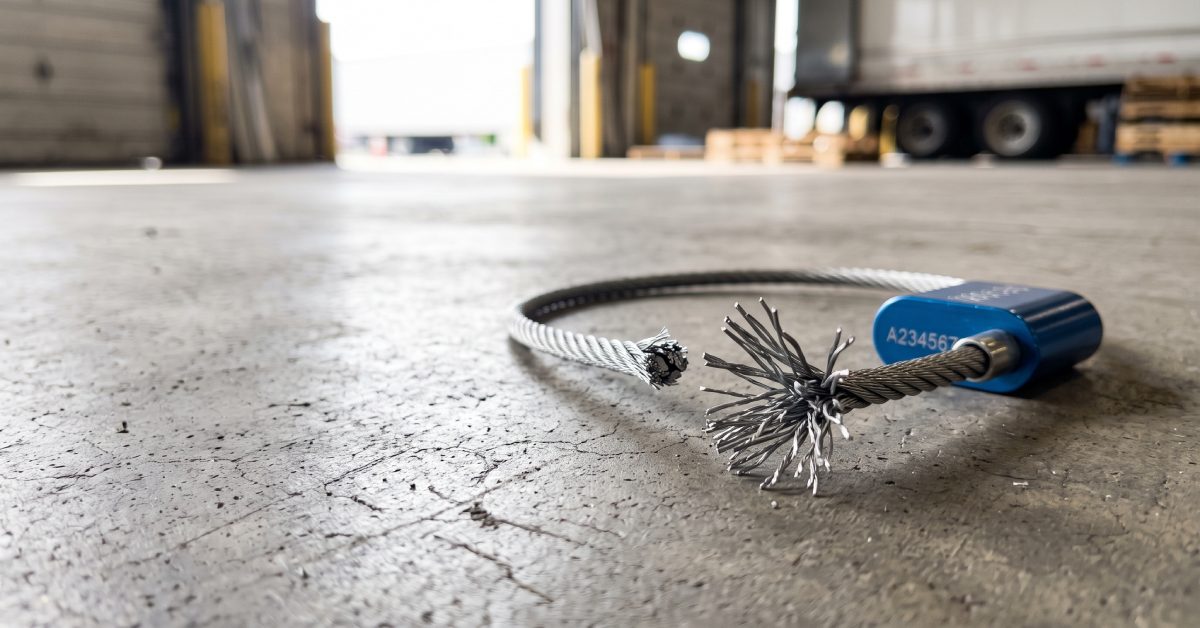
That's the problem we built Tive to solve. Our real-time tracking tools detect unexpected light inside a sealed trailer, Smart Route Deviation Alerts catch freight heading somewhere it shouldn't, and the Tive Seal reports tampering the minute it happens. If you need them, our optional 24/7 monitoring team can help you turn those signals into action when your team isn’t on the clock.
Venture Metals+ saw why real-time shipment visibility matters firsthand when a $250,000 copper load triggered a light alert. The driver blamed the tracker. The real-time shipment visibility data told a very different story, and the copper was recovered that night.
Without that alert, the conversation would likely have started hours later with a missing load and a lot of questions. At Tive, we would rather empower you to have the earlier conversation, when there's still freight to recover and something to do about it.
Our cargo theft hub and 2026 Buyer's Guide can help you pressure-test what you have now. And if you find holes, get started with Tive before peak season finds them for you.


