Playbook zur Reaktion auf Ladungsdiebstahl-Vorfälle

June 16, 2026
June 23, 2026
x min. Lesedauer
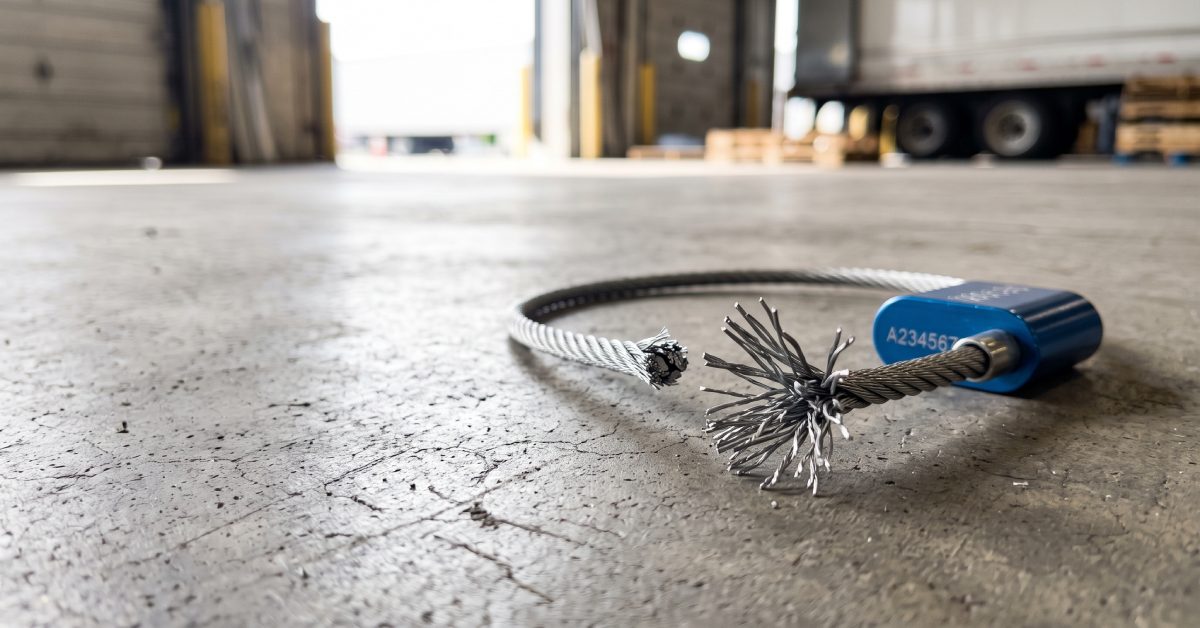
Es ist 2:15 Uhr morgens, als die Warnung auf Ihrem Telefon eingeht. Ein Anhänger mit Waren im Wert von 200.000 US-Dollar in Pharmazeutika hat gerade seine genehmigte Route verlassen, und das Sicherheitssiegel am Container meldet einen Schnitt. Der Fahrer antwortet nicht. Irgendwo auf einem dunklen Autobahnabschnitt wird Ihre Sendung gestohlen… und die Uhr tickt.
Was in der nächsten Stunde geschieht, entscheidet meist darüber, ob dies als wiedergefundene Ladung oder als Totalverlust endet. Ladungsdiebstahl- Verluste in den USA und Kanada erreichten fast 725 Millionen US-Dollar im Jahr 2025, ein Anstieg von 60 % innerhalb eines Jahres, obwohl die Gesamtzahl der Vorfälle kaum verändert war. Organisierte Banden haben auch opportunistische Überfälle gegen hochwertige Zieleausgetauscht, wodurch der durchschnittliche Wert einer gestohlenen Ladung auf etwa 274.000 US-Dollar stieg, ein Plus von 36 % gegenüber dem Vorjahr.
Wenn die durchschnittliche gestohlene Ladung ein Drittel mehr wert ist als vor einem Jahr, trifft jeder Verlust einer Sendung härter, und ob Sie sie zurückbekommen oder abschreiben müssen, hängt meist von Ihrer ersten Stunde ab. Zwei Dinge entscheiden, wie diese Stunde verläuft: Echtzeit-Sendungstransparenz in Ihre Fracht, und eine Reaktion, die Sie nicht spontan erfinden müssen.
Das Folgende ist genau das. Zuerst der Schritt-für-Schritt-Plan für den Moment, in dem eine Diebstahl- oder Manipulationswarnung eingeht. Dann folgt die Präventions-Checkliste, die Sie von vornherein aus dieser Situation heraushält.
Wenn eine Sendung verschwindet: Ihre Reaktion in der ersten Stunde
Arbeiten Sie diese Schritte der Reihe nach ab. Geschwindigkeit ist wichtig, aber die Reihenfolge ist wichtiger, da jeder Schritt den nächsten bedingt.
Schritt 1: Warnung überprüfen & Tracker-Daten abrufen
Bevor Sie jemanden mobilisieren, vergewissern Sie sich, was genau vorliegt. Öffnen Sie den Live-Feed und prüfen Sie, ob es sich um einen echten Diebstahl, einen Manipulationsversuch oder eine harmlose Verzögerung wie eine Verkehrskontrolle oder ein falsches Abbiegen handelt. Wenn es sich um einen echten Vorfall handelt, werden Ihre Echtzeit-Tracking Daten zur einzigen Quelle der Wahrheit für alles Folgende werden: der letzte bekannte Standort, der genaue Zeitpunkt, zu dem die Ladung von ihrer Route abwich, und die Abfolge von Manipulations-, Tür- und Lichtereignissen mit Zeitstempeln.
Profi-Tipp: Machen Sie einen Screenshot und exportieren Sie die Protokolle sofort, solange das Ereignis noch aktiv ist. Sie werden diese Aufzeichnung für die Strafverfolgungsbehörden, Ihre Versicherung und jede spätere Strafverfolgung benötigen.
Schritt 2: Informieren Sie die Strafverfolgungsbehörden mit konkreten Details, nicht mit Allgemeinplätzen
Ein vager Bericht wie „Ein LKW wurde gestohlen“ landet ganz unten auf dem Stapel. Harte Fakten bringen ihn nach oben. Geben Sie der Polizei und jeder regionalen Arbeitsgruppe für Ladungsdiebstahl die GPS-Koordinaten, die Fahrtrichtung, die Uhrzeit des letzten Pings sowie die Details zum Anhänger und Fahrzeug. Hier zeigt sich, dass Echtzeitdaten ihren Wert beweisen.
Ein Logistikdienstleister in Mexiko, Ubictum, hat eine gestohlene pharmazeutische Ladung wiedergefunden, nachdem Diebe den versteckten Tive-Tracker darin gefunden und in einen Fluss geworfen hatten. Er sendete lange genug, um den Standort genau zu bestimmen, und die Behörden fanden die Waren genau dort, wo die Plattform es angegeben hatte.
Schritt 3: Intern eskalieren & auf Ihr Überwachungsteam setzen
Aktivieren Sie gleichzeitig Ihre interne Eskalationskette: Sicherheitsverantwortlicher, Operations und derjenige, der die Kundenbeziehung für diese Sendung verantwortet. Ein 24/7-Überwachungsteam für die Ladung hat den Vorfall wahrscheinlich schon gemeldet, bevor Sie ihn bemerkt haben, also lassen Sie sie dranbleiben. Sie verfolgen die Ladung Minute für Minute und leiten Updates an die Behörden weiter, während Ihr Team den Kunden und den Schadenfall bearbeitet, damit niemand alle drei Aufgaben gleichzeitig unter Druck jonglieren muss.
Schritt 4: Melden Sie den Versicherungsfall frühzeitig
Die meisten Frachtversicherungen haben enge Meldefristen, und eine verspätete Meldung kann zum Verlust des Anspruchs führen. Melden Sie den Diebstahl, sobald er bestätigt ist, und reichen Sie ein vollständiges Paket ein: die Tracker-Protokolle, die Polizeiberichtsnummer, den Frachtbrief und den dokumentierten Wert der Waren. Der Versender, der schnell mit vollständige Aufzeichnungen schneller bezahlt wird und weniger streitet.
Schritt 5: Seien Sie Ihrem Kunden einen Schritt voraus
Informieren Sie Ihren Kunden, bevor er es von anderer Stelle erfährt. Teilen Sie mit, was Sie wissen, was Sie dagegen unternehmen und geben Sie einen realistischen Zeitplan an. Es mag sich inmitten einer Krise kontraintuitiv anfühlen, aber ein offen kommunizierter Diebstahl stärkt oft eine Beziehung, während ein Diebstahl, den der Kunde selbst entdeckt, diese beenden kann. Offene Kommunikation schützt die Geschäftsbeziehung lange, nachdem der Vorfall selbst geklärt ist.
Vor der Krise: Ihre Checkliste zur Prävention von Ladungsdiebstahl
Die beste Reaktion auf einen Vorfall ist die, die man nie ausführen muss. Die meisten Ladungsdiebstähle lassen sich durch einige mehrschichtige Maßnahmen verhindern, und dieselbe Transparenz, die Ihnen bei der Wiederbeschaffung einer Ladung hilft, verhindert auch, dass sie überhaupt gestohlen wird.
Integrieren Sie diese in Ihre Standardarbeitsanweisungen:
- Bringen Sie Echtzeit-Tracker an jeder hochwertigen Sendung an, einschließlich eines versteckten Geräts auf Artikelebene, das weiterhin Daten sendet, selbst wenn ein offensichtliches Gerät gefunden und entfernt wird
- Richten Sie dynamische Geofences und Verweildauer-Alarme entlang jeder geplanten Route ein, damit Sie sofort benachrichtigt werden, wenn eine Ladung von der Route abweicht oder zu lange an einem riskanten Ort verweilt
- Führen Sie vor dem Versand eine Routenrisikobewertung durch, um bekannte Hotspots, unsichere Rastplätze und grenzüberschreitende Bereiche mit hohem Diebstahlrisiko zu kennzeichnen
- Verwenden Sie Manipulationserkennung an der Containertür mit intelligenten Siegeln, die Sie sofort benachrichtigen, wenn ein Siegel durchtrennt oder gebrochen wird, anstatt auf eine Ankunftskontrolle zu warten
- Überprüfen Sie Ihre Spediteure und Makler, um identitätsbasiertem strategischem Diebstahl entgegenzuwirken: Überprüfen Sie MC-Nummern, bestätigen Sie Kontakte direkt und achten Sie auf Anzeichen von Doppelbefrachtung
- Weisen Sie Fahrer auf risikoreiches Verhalten hin, wie das Vermeiden von Stopps in den ersten Stunden nach der Abholung und das Einhalten geplanter, gut beleuchteter Routen
- Erstellen Sie Ihren Reaktionsplan und Kontaktbaum im Voraus, damit die oben genannten Schritte der ersten Stunde bereits in Fleisch und Blut übergegangen sind, wenn um 2:00 Uhr morgens ein Alarm eingeht
Panik in einen Prozess verwandeln
Ladungsdiebe sind schneller, intelligenter und gewaltbereiter als früher. Doch ein Diebstahl muss nicht zwangsläufig zu einem Verlust führen. Ein Versender mit einem klaren Handlungsleitfaden und Echtzeitdaten zu jeder Ladung kann innerhalb von Minuten statt Stunden vom ersten Alarm zur Strafverfolgung, Versicherung und Kundenkommunikation übergehen und die Chancen auf Wiederbeschaffung erhöhen.
Das ist es, was Tive dafür ist Tive gemacht. Echtzeit-Tracker, dynamisches Geofencing, intelligente Sicherheitssiegel und ein 24/7-Überwachungsteam bieten Ihnen sowohl die nötige Transparenz zur Diebstahlprävention als auch die Daten, um reagieren zu können, falls es doch dazu kommt.
Machen Sie den nächsten Schritt, um Ihre nächste Ladung zu sichern. Starten Sie noch heute mit Tive.