Cargo Theft Incident Response Playbook

June 16, 2026
August 27, 2026
x min read
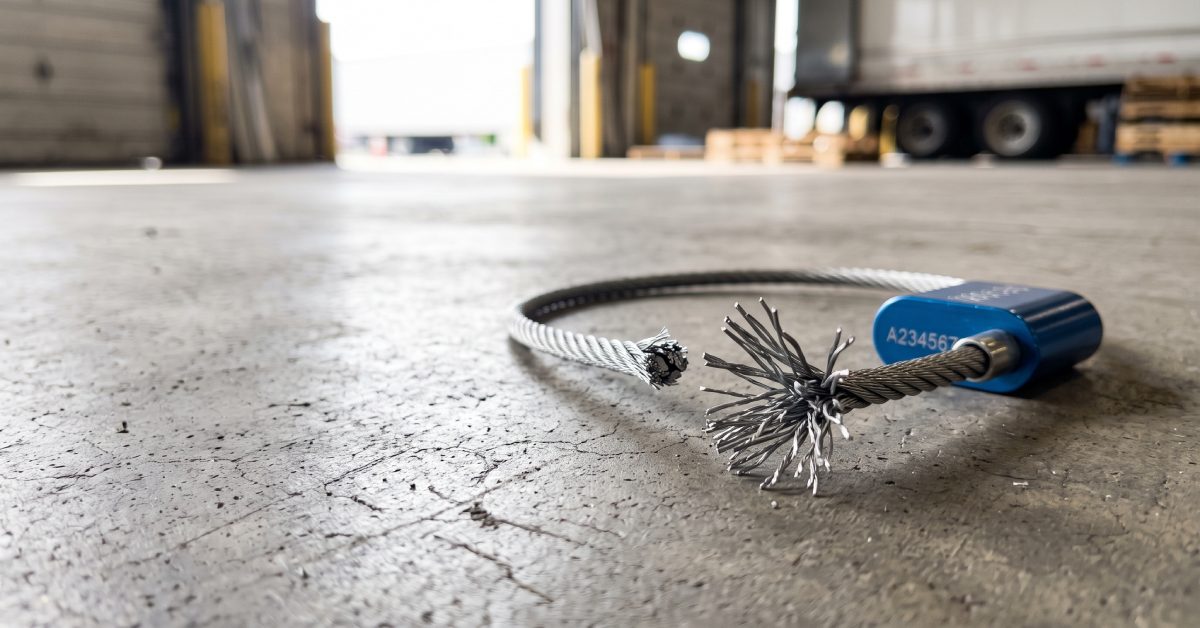
It's 2:15 a.m. when the alert hits your phone. A trailer carrying $200,000 in pharmaceuticals just left its approved route, and the security seal on the container is reporting a cut. The driver isn't answering. Somewhere on a dark stretch of highway, your shipment is being stolen… and the clock just started running.
What happens in the next hour usually decides whether this ends as a recovered load or a total loss. Cargo theft losses across the U.S. and Canada hit nearly $725 million in 2025, a 60% jump in a single year, even as the total number of incidents barely moved. Organized crews have also traded opportunistic grabs for high-value targets, pushing the average stolen load to about $274,000, up 36% from the year before.
When the average stolen load is worth a third more than it was a year ago, every shipment that goes missing hits harder, and whether you get it back or write it off usually comes down to your first hour. Two things decide how that hour goes: real-time shipment visibility into your freight, and a response you don't have to invent on the spot.
That's what follows. First, the step-by-step playbook for the moment a theft or tamper alert lands. Then comes the cargo theft prevention technology checklist that keeps you out of the situation to begin with. The right cargo theft prevention software turns that checklist into an automated, always-on defense.
When a Shipment Goes Dark: Your First-Hour Response
Work these steps in order. Speed matters, but sequence matters more because each step feeds the next. Electronics freight sees this most, since knowing how electronics cargo theft happens sharpens every step below.
Step 1: Verify the Alert & Pull Your Tracker Data
Before you mobilize anyone, confirm what you're looking at. Open the live feed and check whether this is a genuine theft, a tamper event, or a benign delay like a traffic stop or a wrong turn. If it's real, your real-time tracking data becomes the single source of truth for everything that follows: the last known location, the exact moment the load deviated from its route, and the sequence of tamper, door, and light events with timestamps.
Pro tip: screenshot it and export the logs now, while the event is live. You will need that record for law enforcement, your insurer, and any prosecution down the line.
Step 2: Call Law Enforcement With Specifics, Not Generalities
A vague "a truck was stolen" report sinks to the bottom of the pile. Hard data moves it to the top. Give police and any regional cargo theft task force the GPS coordinates, direction of travel, time of the last ping, and the trailer and vehicle details. This is where real-time data earns its place.
One logistics provider in Mexico, Ubictum, recovered a stolen pharmaceutical load after thieves found the hidden Tive tracker inside it and threw it into a river. It kept transmitting long enough to pinpoint the location, and authorities recovered the goods exactly where the platform said they would be.
Step 3: Escalate Internally & Lean on Your Monitoring Team
Trigger your internal chain at the same time: security lead, operations, and whoever owns the customer relationship for that shipment. A 24/7 monitoring team on the load probably flagged it before you saw it, so keep them on it. They track the load minute by minute and relay updates to authorities while your team handles the customer and the claim, so nobody's juggling all three at once under pressure.
Step 4: Open the Insurance Claim Early
Most cargo policies have tight notification windows, and a late filing can cost you the claim. Report the theft as soon as it is confirmed, and hand over a clean package: the tracker logs, the police report number, the bill of lading, and the documented value of the goods. The shipper who files fast with complete records gets paid faster, and argues less.
Step 5: Get Ahead of It With Your Customer
Tell your customer before they hear it somewhere else. Share what you know, what you are doing about it, and provide a realistic timeline. It feels counterintuitive in the middle of a crisis, but a theft handled openly often strengthens a relationship, while one they discover on their own can end it. Straight talk here protects the account long after the load itself is resolved.
Before the Crisis: Your Cargo Theft Prevention Checklist
The best incident response is the one you never have to run. Real-time tracking for electronics shippers closes most of that gap before a theft starts. Most cargo theft is preventable once you avoid the common cargo theft prevention mistakes that create openings for thieves, and the same visibility that helps you recover a load is what stops it from being taken.
Build these into your standard operating procedure:
- Put real-time trackers on every high-value shipment, including a hidden, item-level device that keeps reporting even if an obvious one is found and removed
- Set dynamic geofences and dwell-time alerts around each planned route, so you’re notified the instant a load goes off-route or sits too long in a risky spot
- Run a route risk assessment before dispatch, flagging known hot spots, unsafe rest stops, and high-theft border crossings
- Use tamper detection at the container door with smart seals that alert you the moment a seal is cut or breached, rather than waiting for an arrival audit
- Vet your carriers and brokers to counter identity-based strategic theft: verify MC numbers, confirm contacts directly, and watch for double-brokering red flags
- Brief drivers on high-risk behavior, like avoiding stops in the first hours after pickup and sticking to planned, well-lit routes
- Prebuild your response plan and contact tree, so the first-hour steps above are already muscle memory when an alert lands at 2:00 a.m.
Turn Panic Into Process
Cargo thieves are faster, smarter, and more willing to use force than they used to be. But a theft does not necessarily have to translate into a loss. A shipper with a clear playbook and real-time data on every load can move from the first alert to law enforcement, insurance, and customer comms in minutes instead of hours, and tilt the odds toward recovery.
That is what Tive is built for. Real-time trackers, dynamic geofencing, smart security seals, and a 24/7 monitoring team give you both the visibility to prevent theft and the data to respond when it happens anyway.
Take the next step in locking down your next load. Get started with Tive today.