Cargo Security Basics: How to Protect Shipments From Theft and Tampering

February 6, 2026
August 27, 2026
x min read
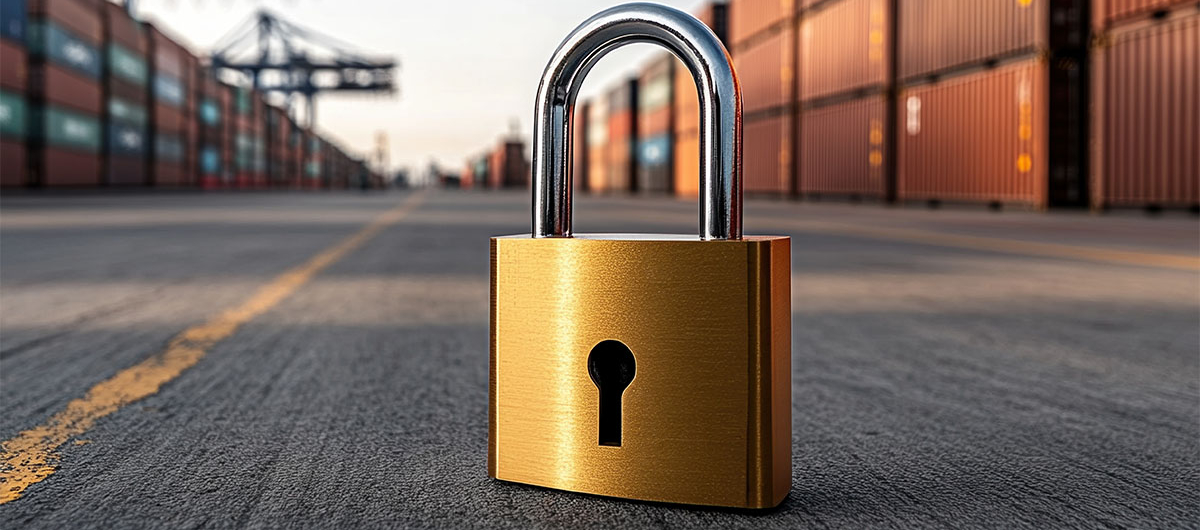
You did everything right: your cargo left the warehouse on schedule, the seals looked solid, and the paperwork matched up. But somewhere along the route, the story changed. Product vanished. A temperature excursion ruined a sensitive load. Tampering turned a routine shipment into a loss.
This scenario plays out more often than most companies want to admit. Cargo theft losses climbed to nearly $725 million in 2025, a 60% jump year over year, and organized criminals have grown more sophisticated in how they target shipments. Electronics, pharmaceuticals, perishable foods, precious metals: anything with value or strict handling requirements attracts attention from people looking to exploit weak points in your supply chain.
Yet, cargo security doesn’t have to mean playing defense after something goes wrong. The right combination of real-time tracking, smart protocols, and proactive monitoring helps you spot problems before they escalate.
Here's how to build that protection into every shipment using proven cargo theft prevention technology. Modern cargo theft prevention software turns those steps into a repeatable system.
Step 1: Assess Risks and Plan Routes Proactively
Strong cargo security starts before the truck ever leaves the yard. You need to understand where threats exist, and build your routes around that knowledge.
Look at the data first. Which lanes have the highest theft rates? What times of day attract the most incidents? Certain truck stops, border crossings, and regional corridors carry well-known reputations as hot spots. Electronics, pharmaceuticals, and fast-moving consumer goods sit at the top of every target list, so shipments carrying these products deserve closer attention from your team.
Your own history matters too. Past losses and near-misses reveal patterns you can address before they repeat themselves. Companies using predictive analytics alongside their tracking systems spot anomalies—such as route deviations or unexpected delays—much earlier. That head start often separates a close call from a serious loss.
Bake these insights into your route planning. Limit time parked in unsecured areas, vary your routes when possible, and communicate approved stops to carriers before departure.
Step 2: Vet Partners and Secure Documentation
Even the best route planning falls apart if the wrong person picks up your freight. Fraudulent pickup schemes have become a favorite tactic, in which thieves pose as legitimate carriers and drive off with loads before anyone catches on.
Verification stops most of these attempts. Check every driver’s license, truck markings, MC/DOT numbers, and plates against your records at pickup. Work only with carriers you’ve thoroughly vetted, and run background checks before handing over high-value shipments.
Your documentation needs the same level of protection. Chain-of-custody records, bills of lading, and delivery receipts should stay secure and tamper-evident throughout transit. Scan and time stamp everything so alterations become obvious, and limit access to shipment details on a need-to-know basis.
Strong cargo security teams treat paperwork as seriously as the physical load itself, because when criminals can’t fake their way in, they lose most of their opportunities.
Step 3: Use Tamper-Evident Packaging and Physical Protections
Solid vetting and documentation keep fraudsters out. Physical barriers make tampering obvious and difficult.
Start with high-quality seals on every shipment. Heavy-duty cable seals, bolt seals, and tamper-evident tape leave visible marks if someone tries to remove them. Pharmaceutical and cold chain shipments often require ISO-standard labels, and many now include NFC or RFID tags that trigger alerts when opened.
The trailer itself needs attention, too. Fasten cargo securely to prevent shifting, and make pilferage harder to conceal. Use hardened padlocks or digital smart locks that notify you if someone opens the door. Inspect trailers at both ends of the journey for cut points or damage.
Loading and unloading sites deserve equal focus. Guard your docks, install cameras, and verify every driver before releasing goods. Strong cargo security layers, including physical barriers at every touchpoint, raise the difficulty for anyone trying to get in unnoticed.
Step 4: Deploy Real-Time Tracking and Monitoring Technology
Physical barriers slow thieves down, but they don’t give you eyes on your shipment while it’s moving. Real-time shipment visibility changes that relationship completely.
GPS and IoT devices provide continuous location updates, so you always know where your freight is—without waiting for a driver to check in. Pair that with geofencing, and you'll receive an alert the moment a truck drifts outside its approved route. That kind of real-time visibility lets you ask questions early, before a minor detour turns into a major issue.
Environmental sensors push this even further by monitoring conditions inside the container itself. A sudden temperature spike, an unexpected flash of light, or an unusual shock pattern can all indicate that someone accessed cargo they shouldn’t have. These sensors protect product quality and double as tamper detection, which is why 83% of companies now use condition monitoring as part of their cargo security strategy.
Of course, data alone won’t stop cargo theft. Acting on the data matters more. Automated alerts for route deviations, unplanned stops, or late arrivals are just a few ways real-time monitoring lets you intervene quickly and take your cargo security to the next level.
Step 5: Train Your Team and Prepare Response Plans
Last but not least, the human element ties your entire cargo security program together. The best tracking system in the world won’t help if no one knows how to respond when something goes wrong.
Start with training. Drivers, warehouse staff, and logistics teams all need to recognize the latest theft and fraud tactics. Teach them to spot red flags, such as unsolicited pickups or unusual route requests, and create a culture where reporting suspicious activity gets rewarded.
Then build a clear incident response plan. When an alert fires, your dispatcher should know exactly who to call and what steps to take. Crisis simulations help teams practice these responses so they can act fast under pressure. Quick, rehearsed reactions can often recover goods, or at least limit the damage.
Strong cargo security also depends on collaboration beyond your own walls. Share intelligence with carriers, tap into industry vetting tools, and build relationships with local law enforcement before you need them.
Keep Your Cargo Where It Belongs
Theft and tampering thrive on predictability and blind spots. A carrier no one verified. A route that hasn’t changed in years. A trailer sitting overnight in an unsecured lot while everyone assumes someone else is watching. These are the gaps that cost companies millions, and they’re all fixable.
The steps above won’t turn your supply chain into a fortress overnight, but they will make your shipments a more difficult target for thieves. Criminals tend to move on when the effort stops being worth the reward.
Tive fits right into that approach. Our trackers give you real-time location and condition data throughout transit, and tamper alerts tell you immediately when someone accesses cargo unexpectedly. Back that up with a cloud platform built to flag problems the moment they start, including features like smart route deviation alerts that catch issues before they escalate, and you've got a full visibility solution, not just a piece of hardware. Layer on our Security Seal and 24/7 monitoring team, and you stop relying on luck or after-the-fact reports to know what happened to your freight.
Your team sees everything as it unfolds, and can step in before a close call becomes a claim. That’s the kind of visibility that changes outcomes. And that’s cargo security done right.
Get started with Tive today, and see how it works for your operation.